
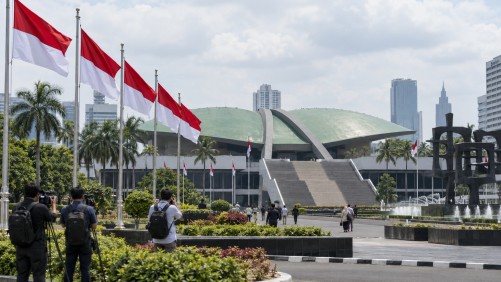
Indonesia is engaged in discussions over potential new regulations for presidential nominations ahead of the 2029 general election, following a pivotal Constitutional Court decision in January 2025 that nullified the previous nomination threshold. Lawmakers are debating a proposal that would require candidates to garner support from at least two parliamentary factions to run for president.
The court’s ruling struck down the earlier system, which mandated that a political party or coalition needed to secure either at least 20% of parliamentary seats or 25% of the national vote in the previous legislative election to nominate a presidential ticket. This decision has prompted lawmakers to explore alternative criteria for candidate eligibility.
Under the proposed rule, the necessity for backing from two parliamentary factions could significantly impact parties without seats in the Indonesian Parliament, where eight parties are currently represented following the 2024 legislative election. Proponents argue this measure would prevent an overwhelming number of presidential tickets, while critics caution it could marginalize smaller parties and candidates who lack parliamentary representation.
Surya Paloh, chairman of the NasDem Party, has voiced his support for the new requirement, emphasizing the need for structured nomination processes. However, some political figures and analysts have expressed concerns that implementing such a rule might limit access to the presidential race, potentially stifling political diversity.
The debate also touches upon the parliamentary threshold, with members of the ruling coalition contemplating an increase from 4% to 5% for parties to secure seats in Parliament. The Constitutional Court had called for a review of the existing threshold before the upcoming election. As discussions continue, the final framework for presidential nominations and parliamentary representation remains undecided.