
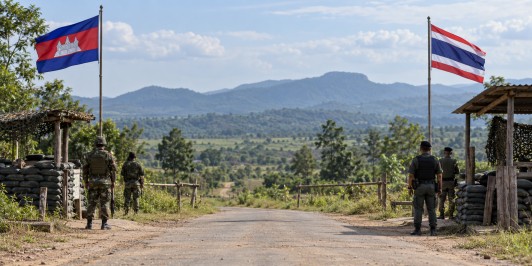
Cambodia has clarified that the recent ceasefire with Thailand is not intended to establish a new international border or resolve legal ownership of contested territory. Cambodian Information Minister Neth Pheaktra emphasized that the agreement, effective from December 27, focuses on maintaining current military positions and ensuring the safe return of civilians displaced by the conflict.
According to Cambodian officials, the ceasefire, agreed upon last December, does not affect future determinations of the international boundary. However, Cambodia has raised concerns over alleged actions by Thai forces, which include installing barbed wire, digging trenches, and building roads and military facilities in areas claimed by Cambodia. These activities, Pheaktra argues, could potentially alter the existing situation on the ground.
More than 20,000 individuals were displaced due to the hostilities, and Pheaktra underscored the importance of facilitating their safe return as a measure of the ceasefire’s effectiveness. The Cambodian government views this aspect as critical to the agreement’s success and ongoing adherence.
Meanwhile, Thailand has taken steps to present its perspective by escorting foreign delegates, ASEAN observers, and international journalists to border-adjacent areas, such as the O’Smach casino region and Choam crossing. During these visits, Thailand highlighted issues related to the use of casino buildings and alleged cross-border criminal activities.
Cambodia disputes Thailand’s assertions of control over these areas, maintaining that the territories in question belong to Cambodia. The disagreement over territorial claims remains a point of contention in the broader context of the ceasefire agreement between the two nations.