
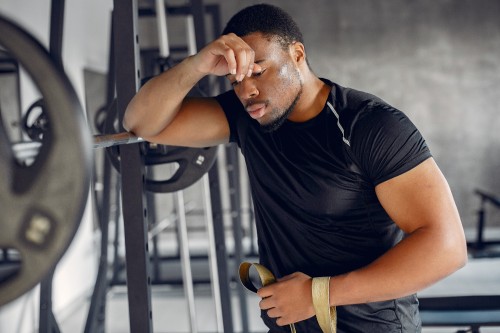
Regular exercise is crucial for achieving and maintaining a healthy weight, but more intensity and longer workouts don’t always equate to better outcomes. Fitness experts caution that exceeding the body’s recovery capacity through overtraining can hinder fat loss and adversely impact overall health. Overtraining occurs when excessive exercise intensity or volume is not balanced with adequate recovery time, resulting in persistent stress on the body. This can impede fat burning, muscle growth, and energy maintenance.
Recognizing overtraining is essential for maintaining a healthy fitness routine. Key indicators of overtraining include stalled fat loss or strength gains, poor sleep quality, persistent fatigue, low motivation, heightened anxiety or irritability, diminished libido, and a higher resting heart rate or sluggish recovery post-exercise. These symptoms suggest the body’s inability to adequately recover from physical exertion.
The impacts of overtraining on the body can be profound. Prolonged exposure to physical stress keeps cortisol levels, the primary stress hormone, elevated. High cortisol levels can slow fat loss, increase abdominal fat storage, degrade muscle tissue, lower testosterone levels, disrupt normal thyroid function, and delay recovery, ultimately reducing overall performance. Additionally, daily stressors such as work pressure, insufficient sleep, and emotional challenges can exacerbate exercise-induced stress, further straining the body’s hormonal system.
Preventing overtraining involves adopting a balanced fitness regimen. Experts advise engaging in strength training three to four times weekly at appropriate intensities, consuming sufficient protein, and meeting daily caloric requirements. Prioritizing quality sleep and maintaining a consistent sleep schedule are also crucial. Incorporating recovery activities like walking, stretching, mobility exercises, and relaxation techniques can aid in recovery. If progress stalls despite adhering to a healthy routine, consulting a medical professional is advisable, especially if hormonal imbalances are suspected.
Long-term success in fat loss and fitness is rooted in consistency, balanced nutrition, effective training, and adequate recovery. Allowing sufficient rest enables the body to adapt, recover, and enhance performance over time. By respecting the body’s need for recovery, individuals can achieve sustainable progress in their fitness journeys.