
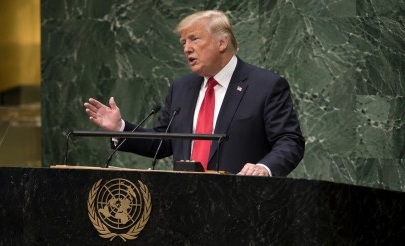
In a speech at the United Nations General Assembly in New York, U.S. President Donald Trump proposed a shift in terminology for artificial intelligence, suggesting it be referred to as “super intelligence” in future U.S. government documents. Trump argued that the term “artificial” undermines the perceived capabilities of the technology.
Amid ongoing global discussions about AI governance, Trump dismissed concerns about the potential dangers of AI as overstated and rejected calls for international regulatory systems. He contended that artificial intelligence could surpass previous technological revolutions in economic impact, advocating for continued development without broad international controls.
The proposal comes as over 20 political leaders are urging stronger international cooperation and safety standards for advanced AI systems. However, Trump maintained that the U.S. would not back efforts to establish a global framework for AI regulation.
In addition to the new terminology, Trump has suggested the creation of an “AI Force” and the appointment of an AI czar to manage AI technology within the United States. Details regarding how this structure would function remain limited.
The term “superintelligence” is already recognized in AI research as describing a hypothetical system with intelligence surpassing human capabilities across numerous tasks. Trump’s use of the term would apply it more broadly to the current state of artificial intelligence.